

Best Homeopathy Treatment for Fissure Fistula
Contact
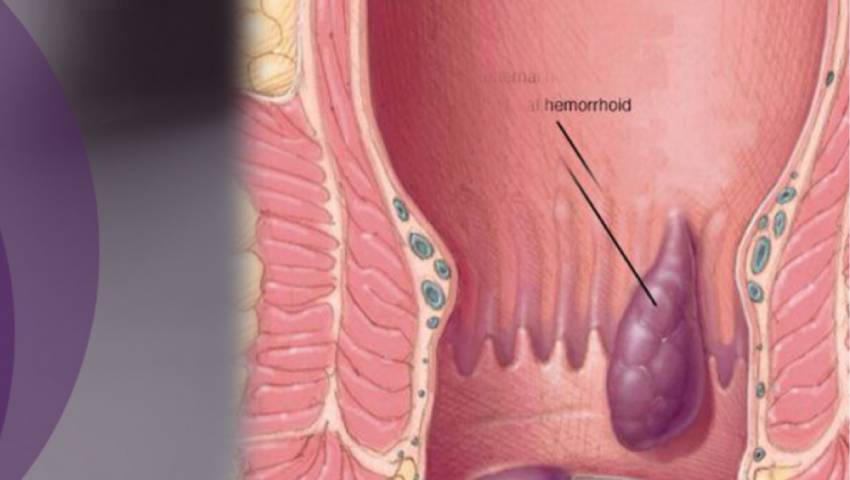
Fissures and fistulas are two distinct yet often misunderstood medical conditions that affect the anal region. Both can cause discomfort and disrupt daily life, but they differ in their causes, symptoms, and treatment approaches. This article aims to clarify these conditions, their symptoms, causes, and available treatments, empowering you to seek proper care when needed. Best Homeopathy Treatment for Fissure Fistula
What Is an Anal Fissure? Best Homeopathy Treatment for Fissure Fistula
An anal fissure is a small tear or crack in the lining of the anus, often caused by trauma to the area. It is a common condition that can occur in people of all ages, including infants. Best Homeopathy Treatment for Fissure Fistula
Symptoms of an Anal Fissure:
Sharp pain during and after bowel movements.
Bright red blood on toilet paper or in the stool.
Itching or irritation around the anus.
A visible tear in the anal skin.
A small lump near the fissure in chronic cases.
Causes of Fissures and Fistulas Best Homeopathy Treatment for Fissure Fistula
Causes of Anal Fissures:
- Constipation: Passing hard stools or straining during bowel movements.
- Diarrhea: Frequent loose stools can irritate the anal lining.
- Childbirth: Trauma during vaginal delivery.
- Trauma or Injury: Anal intercourse or other physical damage to the area.
- Underlying Conditions: Conditions like Crohn’s disease or inflammatory bowel disease (IBD) can make the anal tissue more prone to tears. Best Homeopathy Treatment for Fissure Fistula
Causes of Anal Fistulas:
- Anal Abscesses: The most common cause; an untreated abscess can form a fistula.
- Crohn’s Disease: Chronic inflammation of the gastrointestinal tract can lead to fistulas.
- Infections: Tuberculosis, HIV, or sexually transmitted infections.
- Surgery or Trauma: Rarely, surgical procedures or injuries can contribute to fistula formation.
- Cancer: In rare cases, a fistula may develop as a complication of rectal cancer.
Diagnosis of Fissures and Fistulas Best Homeopathy Treatment for Fissure Fistula
A healthcare provider will typically perform a physical examination and may recommend additional tests to confirm the diagnosis.
For Anal Fissures:
- Visual Examination: The tear is often visible upon inspection.
- Medical History: Discussion about symptoms and potential triggers.
For Anal Fistulas:
- Digital Rectal Examination (DRE): To locate the fistula tract.
- Imaging Tests: MRI or ultrasound may be used to map the fistula.
- Proctoscopy: A scope is used to examine the rectum and anus in detail. Best Homeopathy Treatment for Fissure Fistula
Treatment for Fissures and Fistulas
Treatment for Anal Fissures:
-
Conservative Management:
- Dietary Changes: High-fiber diet and increased fluid intake to soften stools.
- Topical Medications: Numbing creams or ointments like nitroglycerin or calcium channel blockers to relax the anal sphincter.
- Stool Softeners: To prevent straining during bowel movements.
- Sitz Baths: Warm water baths to soothe the area and promote healing. Best Homeopathy Treatment for Fissure Fistula
-
Surgical Options:
- Lateral Internal Sphincterotomy (LIS): A minor surgery to relax the anal sphincter and allow the fissure to heal.
- Botox Injections: Temporarily paralyze the sphincter muscle to reduce pain and promote healing.
Frequently Asked Questions (FAQs)
1. Can anal fissures heal on their own?
2. Are fissures and fistulas the same?
No, a fissure is a tear in the anal lining, while a fistula is an abnormal tunnel between the anus and surrounding skin. Best Homeopathy Treatment for Fissure Fistula
3. How long does recovery take after fistula surgery?
4. Is surgery always necessary for anal fistulas?
Most fistulas require surgical treatment to fully heal, though mild cases may be managed temporarily with medications and drainage. Best Homeopathy Treatment for Fissure Fistula
5. Can fissures or fistulas recur?
If you suspect you have an anal fissure or fistula, consult a healthcare provider for accurate diagnosis and personalized treatment options. Early intervention can prevent discomfort and promote faster recovery.